Engineering a Reliable Spring Handling Solution with Soft Gripper + Vibratory Feeder
In today’s project, we received a new customer sample: a batch of small metal springs. At first glance, springs may seem like a simple component—but from an automation perspective, they present a unique set of challenges: irregular posture, easy entanglement, high elasticity, and sensitivity to excessive gripping force.From an engineering standpoint, this was not just a “pick-and-place” task. It required a stable, repeatable, and gentle handling solution that could integrate seamlessly into an automated workflow.
The Challenge
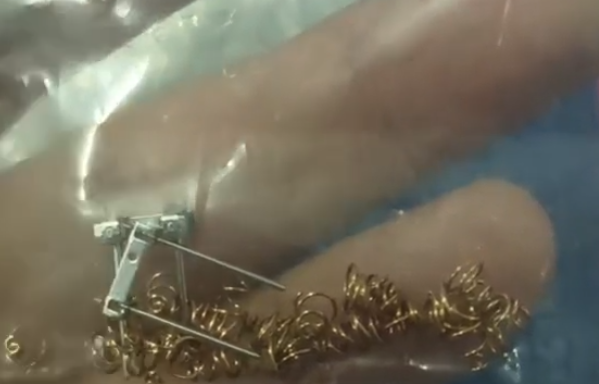
The springs arrived in bulk, randomly oriented, and often overlapping or interlocking with each other. This created two main problems:
- Feeding difficulty: Ensuring each spring could be separated and presented consistently
- Gripping uncertainty: Avoiding deformation or slippage during the pick-up process
Traditional rigid grippers would struggle here—either applying too much force and deforming the spring, or failing to adapt to slight variations in position and shape.
The Solution: Soft Gripper + Vibratory Feeder
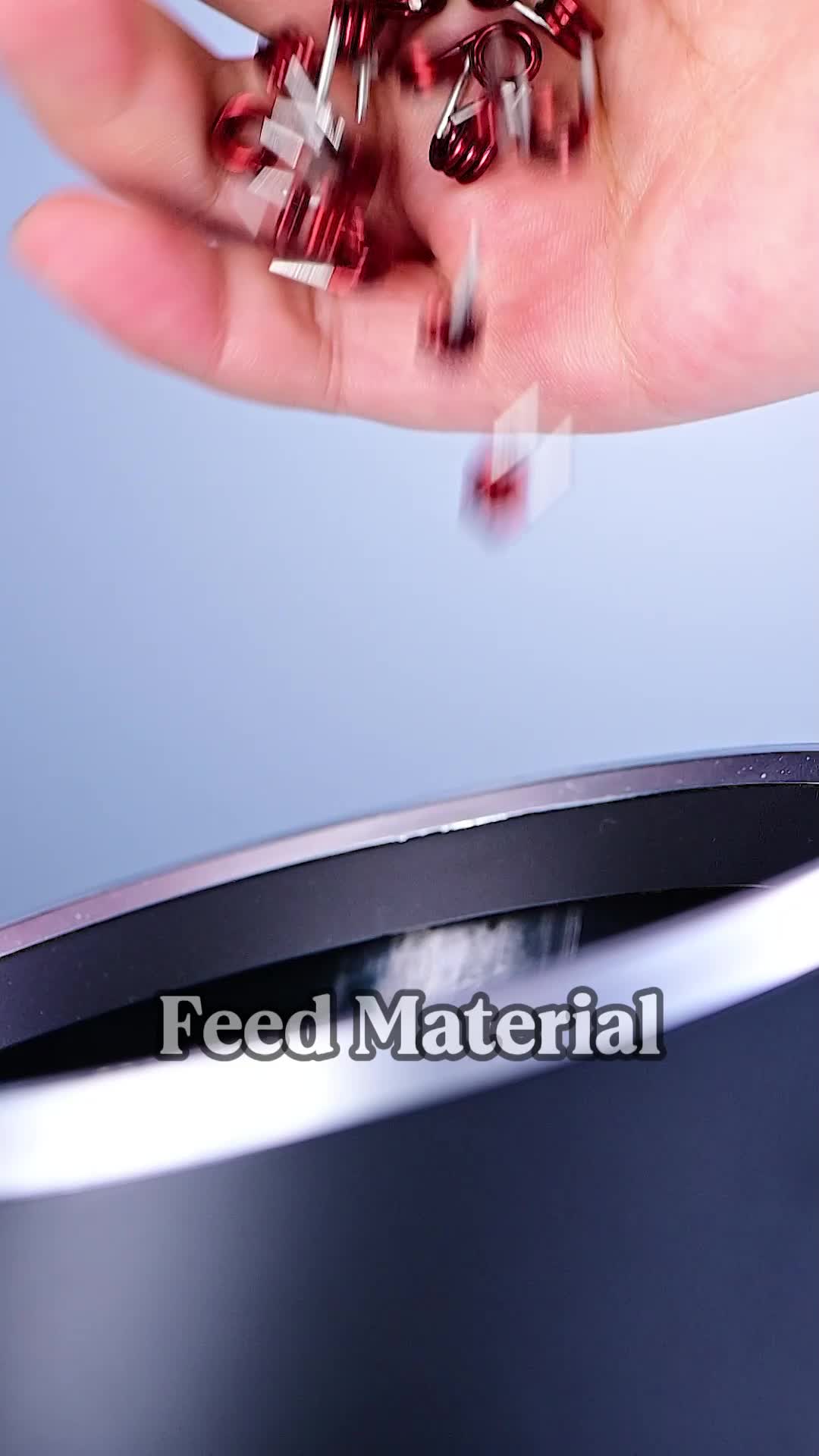
To address these issues, we implemented a combination of a vibratory feeder and a soft gripper end effector.The vibratory feeder was tuned to gradually separate and orient the springs, delivering them in a more predictable state for pickup. This alone significantly reduced the complexity of the gripping stage.However, the real key to success was the soft gripper.
Engineering Modifications to the Soft Gripper
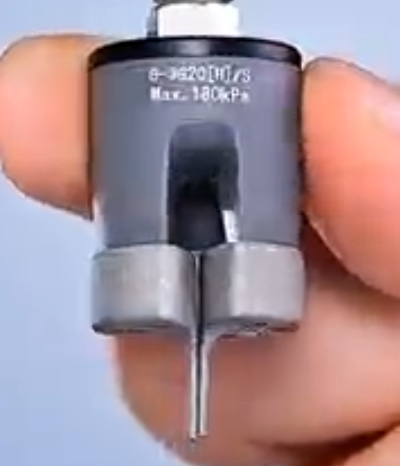
Rather than using a standard configuration, we made several targeted modifications to better suit the spring geometry and handling requirements:
- Finger Geometry Optimization
The contact surface of the soft fingers was adjusted to better “wrap” around the spring’s outer diameter, increasing contact stability without increasing pressure. - Compliance Tuning
We fine-tuned the material stiffness of the gripper fingers to strike a balance between adaptability and control. This allowed the gripper to absorb small positional errors while maintaining a firm hold. - Grip Strategy Adjustment
Instead of clamping the spring directly at its most flexible points, we designed the gripping position to target structurally stable sections, reducing the risk of deformation.
The Result
With these optimizations, the system achieved:
- Stable and repeatable spring feeding
- Gentle yet secure gripping
- Reduced risk of entanglement and mis-picks
- Improved overall cycle efficiency
From an engineering perspective, this project is a good example of how end-effector customization plays a critical role in automation success. A flexible gripper is not just a plug-and-play tool—it becomes significantly more powerful when tailored to the specific characteristics of the workpiece.
Final Thoughts
Handling springs in automation is never just about picking them up—it’s about understanding their physical behavior and designing around it.By combining a properly tuned vibratory feeder with a customized soft gripper, we were able to turn a challenging application into a stable and efficient process.If you’re working with similar flexible or hard-to-handle components, the right combination of feeding strategy and adaptive gripping can make all the difference.