Gripping Sealing Rings by the Edge — Without Damaging the Part
Sealing rings look simple.They are light, flexible, and usually easy to pick up by hand. But once you try to automate the handling process, things become a little different.The ring can deform under pressure, slip out of a conventional gripper, or get squeezed too hard during picking. And when the sealing ring needs to be placed accurately, simply “getting a grip” is not enough.For this application, we used a soft robotic gripper to grip the edge of the sealing ring. The gripper holds the part securely while keeping the contact force gentle enough to avoid damaging or deforming it.
Why Are Sealing Rings Difficult to Grip?
The main problem is the material itself.Sealing rings are typically made from rubber, silicone, or other flexible materials. Unlike rigid metal or plastic parts, they can easily change shape when force is applied.
There is also another practical issue: the sealing ring has a relatively small and flexible profile, so finding a reliable gripping point is not always straightforward.Instead of squeezing the ring from two sides, we took a different approach.
The Solution: Grip the Edge, Not the Surface
For this application, the sealing ring is picked up by pinching its edge.This sounds simple, but the key is controlling how the gripper makes contact with the part.Rather than pressing hard against the ring, the soft fingers conform to its shape and gently catch the edge. Once the edge is engaged, the gripper can lift and move the sealing ring while maintaining a stable hold.The result is a simple gripping motion:approach → catch the edge → lift → move → releaseNo complicated fixture is needed just to keep the ring in position.
How the Soft Gripper Handles the Sealing Ring
The soft grippers are naturally compliant, so they can adapt to the flexible shape of the sealing ring during gripping.When the fingers close, they do not behave like two rigid blocks pressing against the workpiece. Instead, the contact area changes with the shape of the part.This is especially useful when handling soft or elastic components.In this case, the gripper pinches the edge of the sealing ring, providing enough holding force for handling while avoiding excessive compression of the main body of the ring.That balance is important.The goal is not simply to grip the part as tightly as possible. It is to use just enough force to hold it securely without changing the part more than necessary..
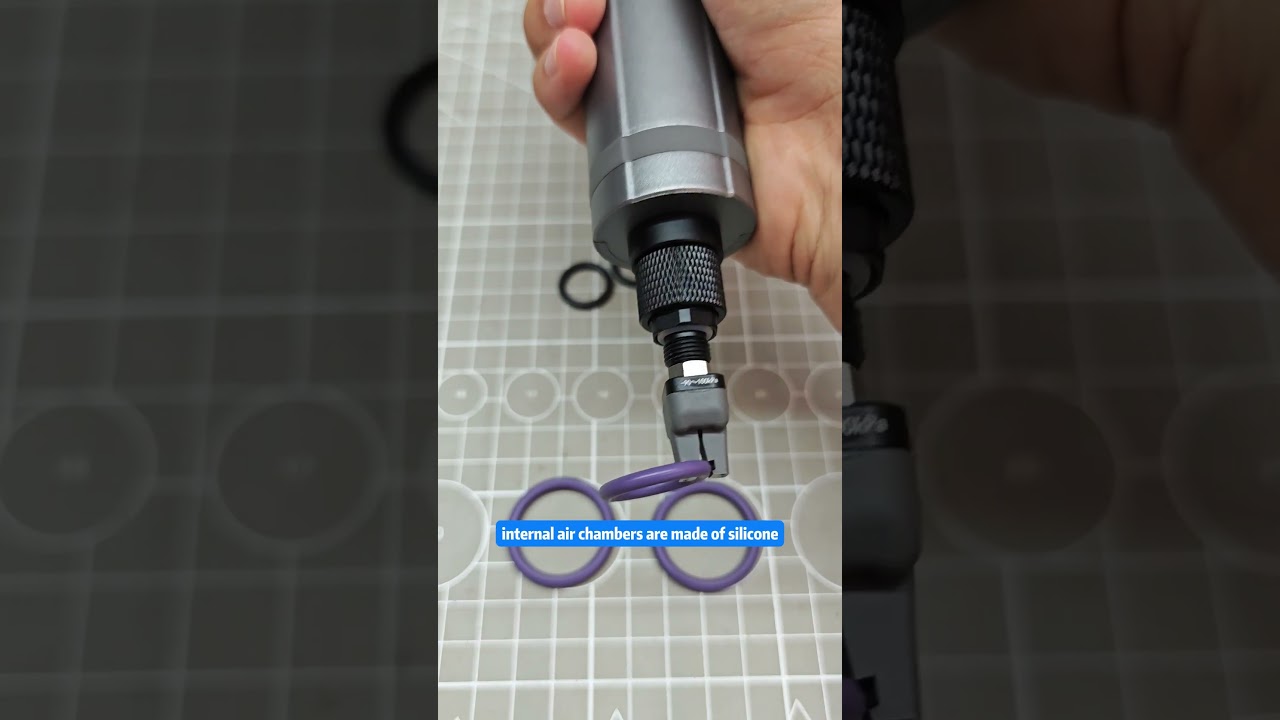
What makes this application interesting is that the solution isn't complicated.We didn't need to redesign the sealing ring or add a complicated custom fixture.Instead, the gripping method was changed.Grip the edge rather than squeezing the whole ring.Combined with the compliant structure of the soft gripper, this makes it possible to handle the sealing ring securely while keeping the gripping force under control.This kind of approach can be useful for many other flexible components as well — rubber rings, silicone parts, gaskets, and other delicate workpieces that are difficult to handle with conventional rigid grippers.Sometimes, the best gripping solution is not about applying more force. It is about gripping in the right place, with the right amount of force
Have a similar application on your production line?Send us your workpiece and gripping requirements. We can take a look at the application and explore a suitable gripping approach.