Contact Lens Handling: How Does a Soft Robotic Gripper Handle Delicate Lenses?
Contact lenses are small, but handling them in an automated process is not always easy.They are thin and flexible, which means too much pressure during gripping can cause deformation or damage. In addition, contact lenses may come into contact with lens care solution during production, bringing extra requirements for the gripper's materials and structure.So, how can contact lenses be picked up and transferred reliably in an automated process?
What Makes Contact Lens Handling Challenging?
1. Soft lenses are easily affected by external forcesUnlike rigid industrial parts, contact lenses have no fixed supporting structure. Excessive local pressure during gripping may affect their shape. The gripping method and applied force therefore need careful consideration.2. Contact materials and cleanliness matterAs medical-related products, contact lenses have specific requirements for the materials and cleanliness of components that come into direct contact with them. Simply being able to pick up the lens is not enough.3. The gripper needs to work in a liquid environmentDuring some production processes, contact lenses need to come into contact with or be immersed in lens care solution. The gripper must be able to handle normal picking and releasing while also accommodating the liquid environment.
How Does a Soft Gripper Handle Contact Lenses?
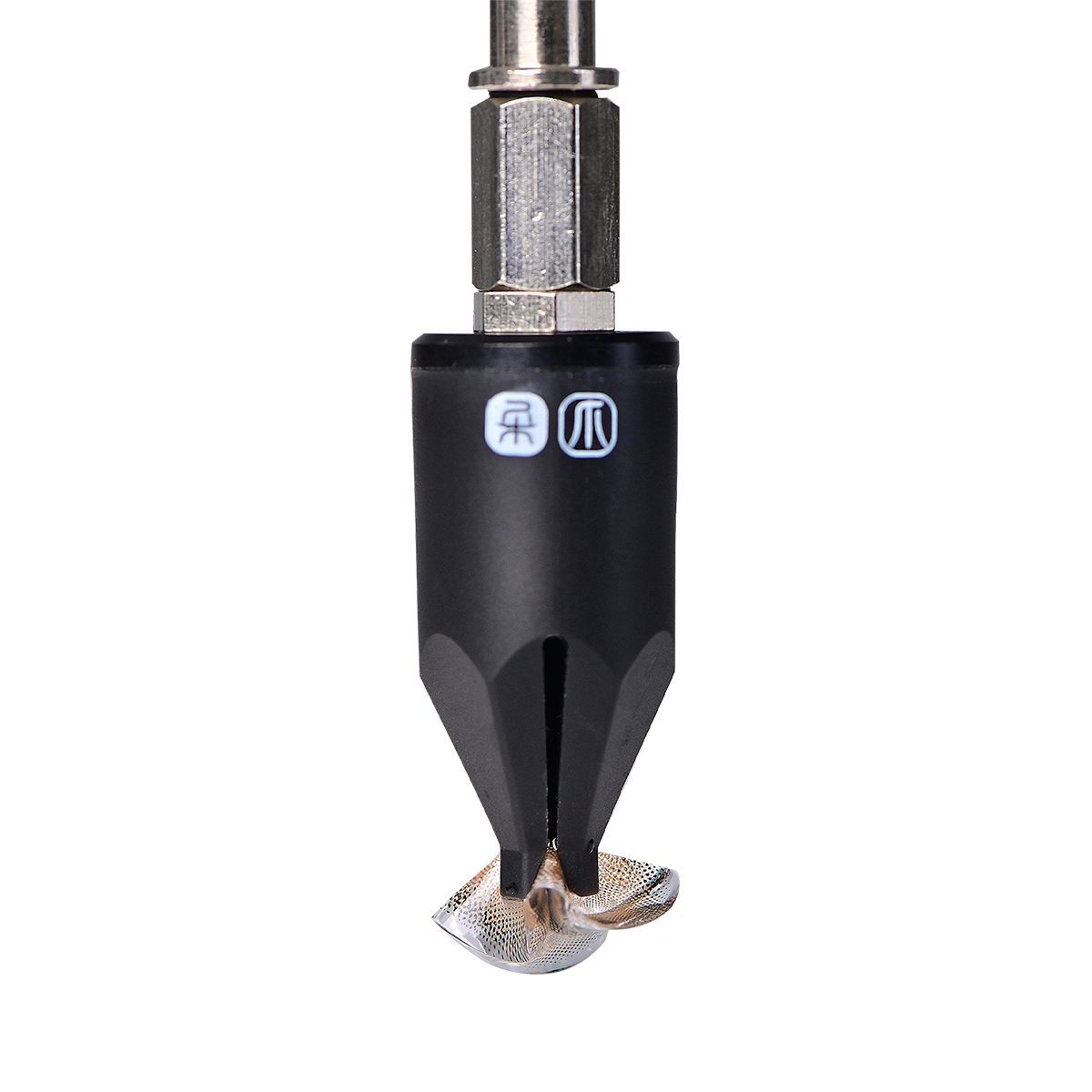
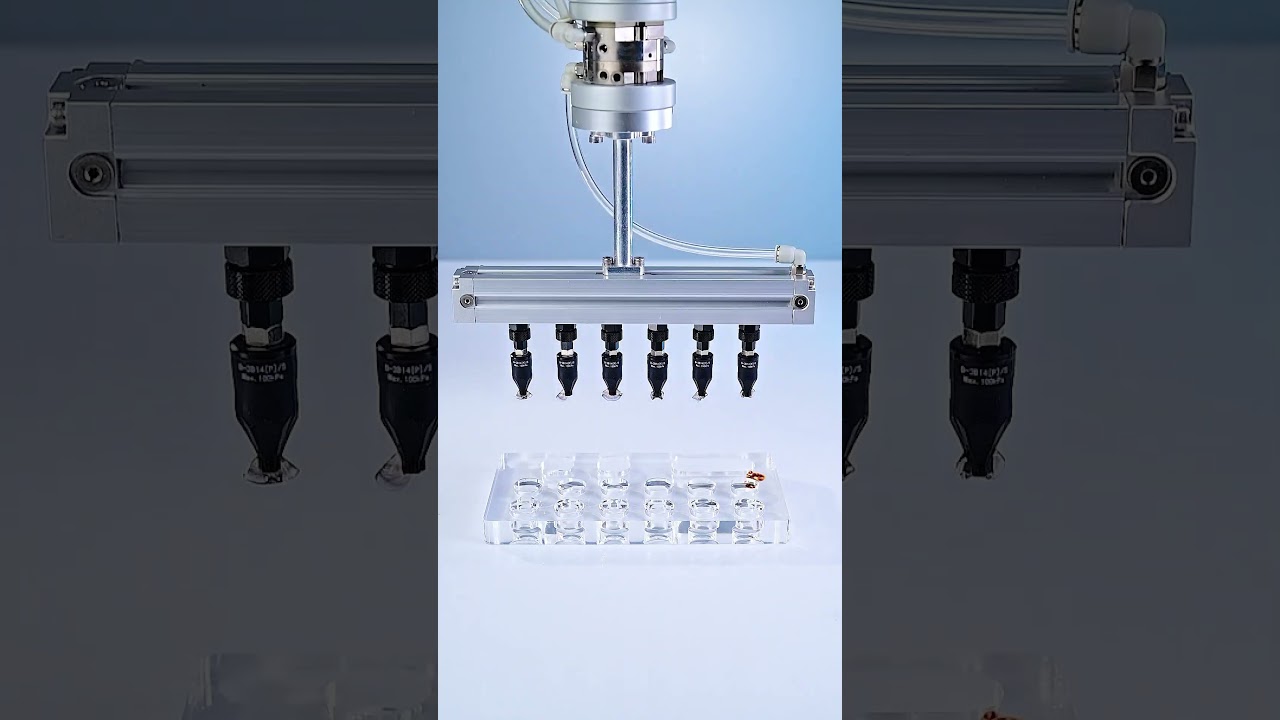
In this application, a soft gripper is used for automated contact lens handling.Unlike a conventional rigid gripper, a soft robotic gripper uses flexible material that can deform during contact. It is designed to better adapt to the shape of the workpiece and help reduce concentrated pressure during gripping.There are three key aspects worth looking at:
- Flexible contact: The soft gripper uses a flexible contact surface to handle the lens, helping reduce the risk of damage caused by rigid contact.
- Positive and negative pressure control: Pneumatic control allows the gripper to switch between gripping and releasing. It also helps maintain a flatter lens position during release.
- Sealed structure: The soft gripper features a sealed structure and can operate normally when immersed in lens care solution.
These features make the soft pneumatic gripper suitable for exploring automated handling applications involving delicate and flexible workpieces.
Soft Grippers in Medical Automation
Contact lens handling is just one example of soft gripper applications in the medical industry.In actual production, many other workpieces share similar characteristics: they are small, flexible, easily deformed, or have specific requirements for contact materials.When choosing a robot soft gripper for these applications, gripping stability is only one part of the process. Workpiece characteristics, the production environment, and the entire picking and releasing cycle all need to be considered.This is one of the areas where soft robotics grippers can be explored in medical automation.