Pinza robótica blanda para la manipulación de varillas cilíndricas de plástico de 15 mm: una solución flexible para la recogida automatizada.
In the plastic manufacturing, packaging, and injection molding industries, many components need to be automatically loaded, transferred, and assembled during production.In this application, the workpiece is a plastic egg tray cylindrical rod component with the following characteristics:
- Cylindrical rod diameter: 15mm
- Smooth surface with limited friction
- Long and slender structure, making stable gripping difficult
- High appearance requirements, with no visible marks allowed on the surface
The key challenge was to achieve stable handling while preventing deformation or surface damage during automated production.
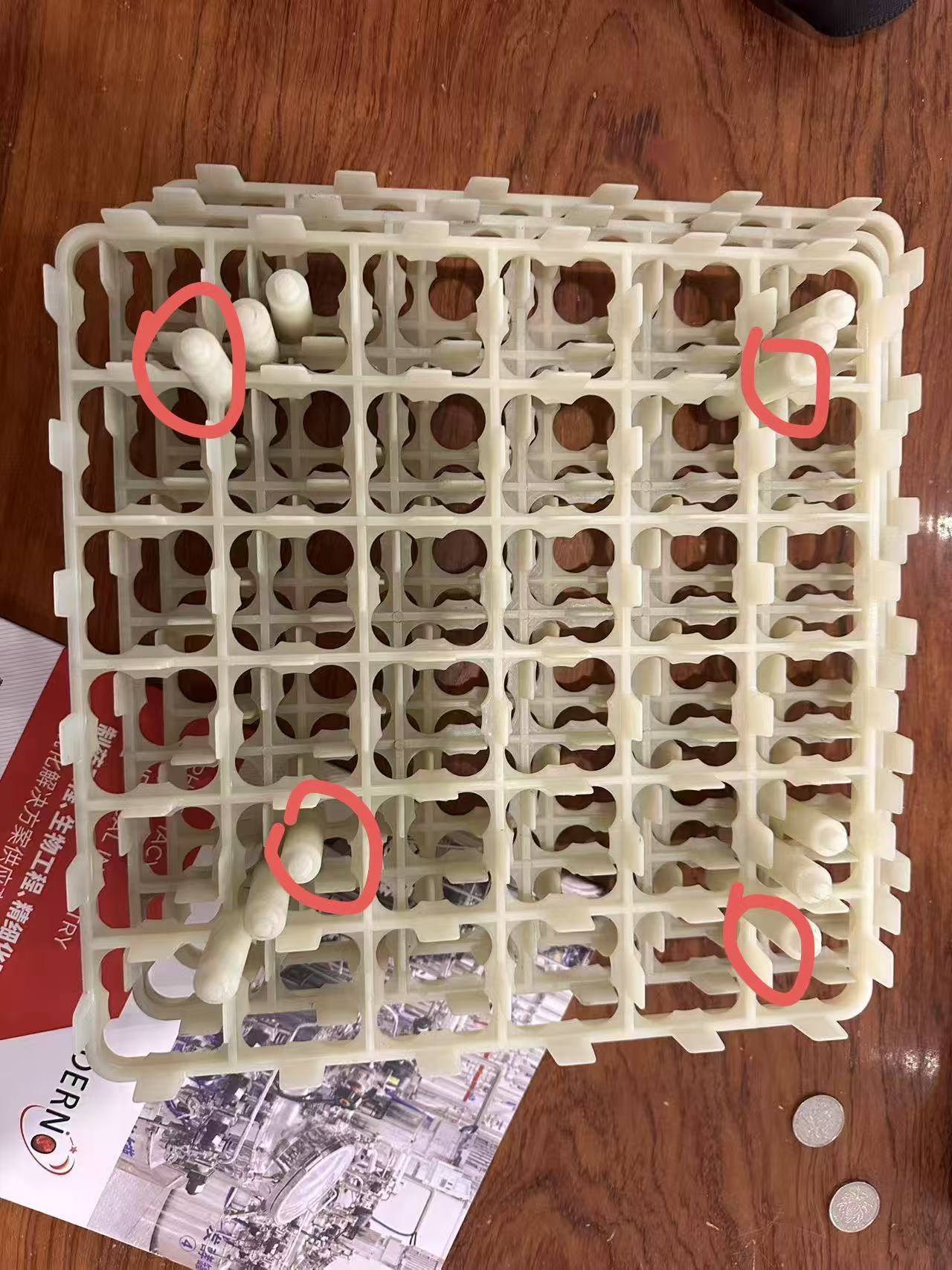
For cylindrical plastic parts with a diameter of around 15mm, traditional rigid grippers usually rely on two-point clamping.However, during actual production, several problems may occur:
1. Small Contact Area Causes Slipping
The contact between a rigid gripper and a cylindrical surface is often limited to line contact. During high-speed robot movement or rotation, the workpiece may shift or even fall due to insufficient gripping stability.
2. Difficult Gripping Force Control
To prevent the part from dropping, higher clamping force is usually required. However, plastic components often have certain flexibility:
- Insufficient force → unstable gripping or falling
- Excessive force → deformation or visible marks on the product
3. Product Size Variations
Injection molded plastic parts usually have dimensional tolerances. Fixed mechanical fixtures require frequent adjustment, while soft robotic grippers can automatically adapt to different sizes and shapes.
To solve the handling challenge of this cylindrical plastic component, a soft robotic gripper was introduced.Through flexible deformation, the soft gripper creates a larger contact area around the cylindrical rod, forming an adaptive and secure grip.
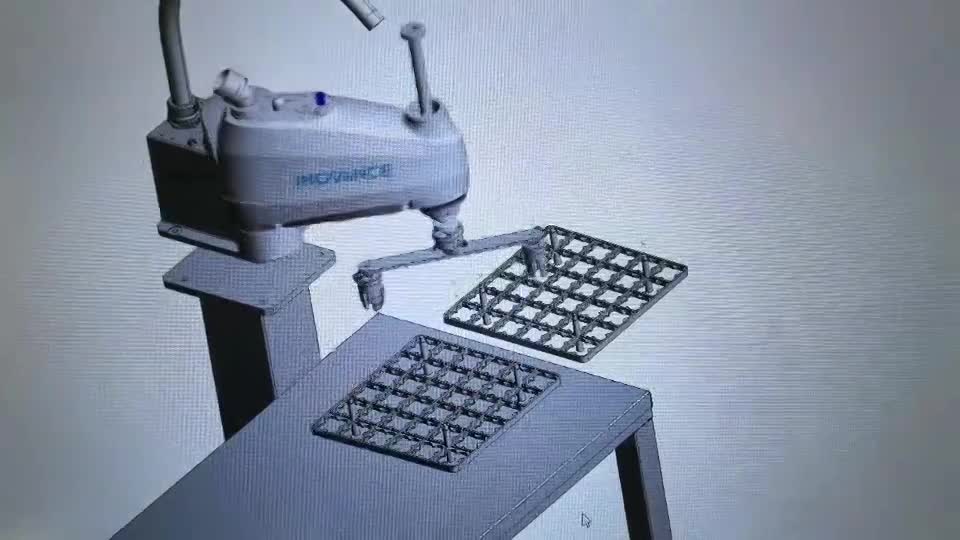
Gripping Process:
- The robot moves to the picking position
- The soft fingers close and contact the cylindrical surface
- The flexible fingers automatically adapt to the shape of the rod
- The component is securely picked and transferred
Compared with traditional rigid clamps, soft robotic grippers provide a more gentle and adaptive gripping method, reducing the risk of damage while improving handling reliability.
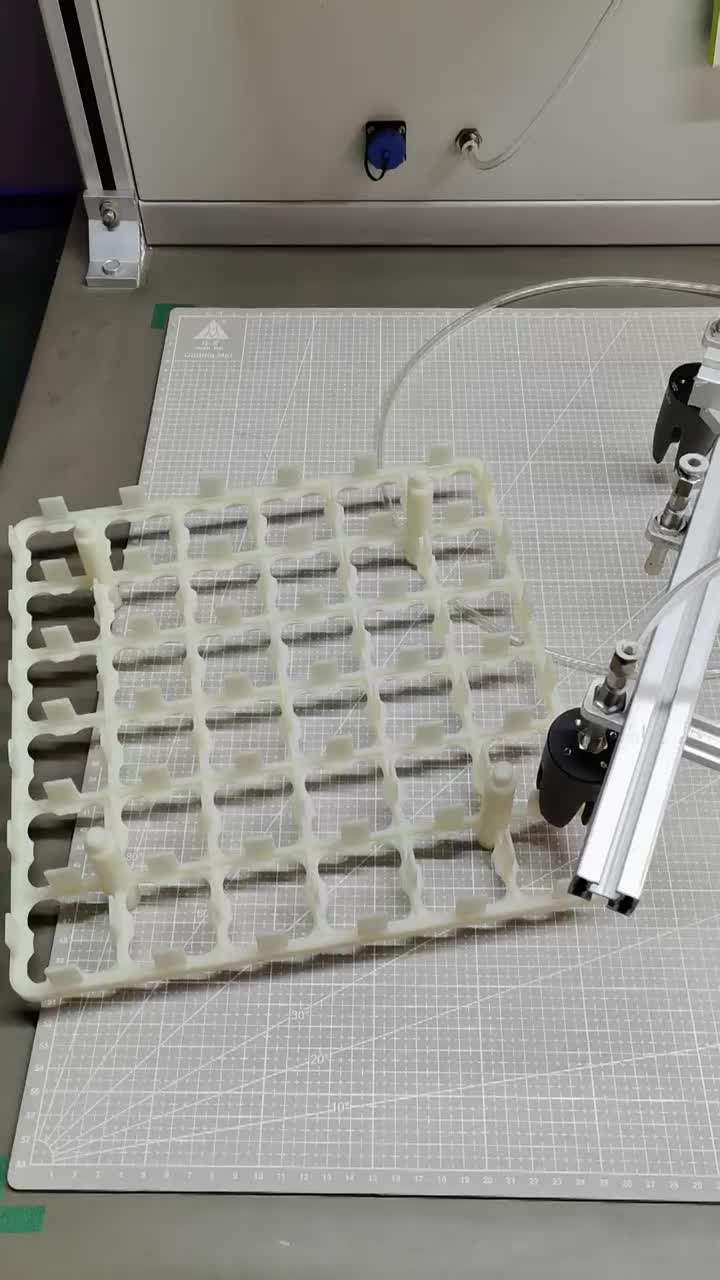
From plastic cylindrical rods and injection molded components to packaging parts and precision industrial products, more challenging handling applications can now be automated with flexible gripping technology.For workpieces that are slender, cylindrical, fragile, or have dimensional variations, soft robotic grippers provide a safer, more flexible, and efficient