Soft Gripper vs Soft Finger: What's the Real Difference?
Almost every customer who first evaluates a ROCHU gripper asks the same question: what's the difference between a soft gripper and a soft finger?Both are built from soft, compliant material. The names are one word apart. So why does the product family split into two?Let's skip the theory and answer it with two real-world scenarios.
1The Short Answer: It Depends on Your Application
Gripper selection is never about which option is "better" — it's about which option fits the job. The difference between soft fingers and soft grippers comes down to how your workpieces are presented to the robot. The two cases below show exactly where that distinction matters.
2Case 1 — Narrow Gaps: Where a Soft Finger Can't Reach
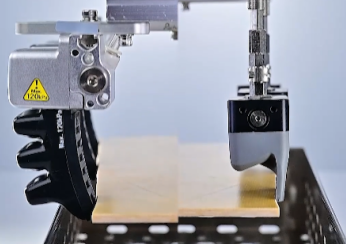
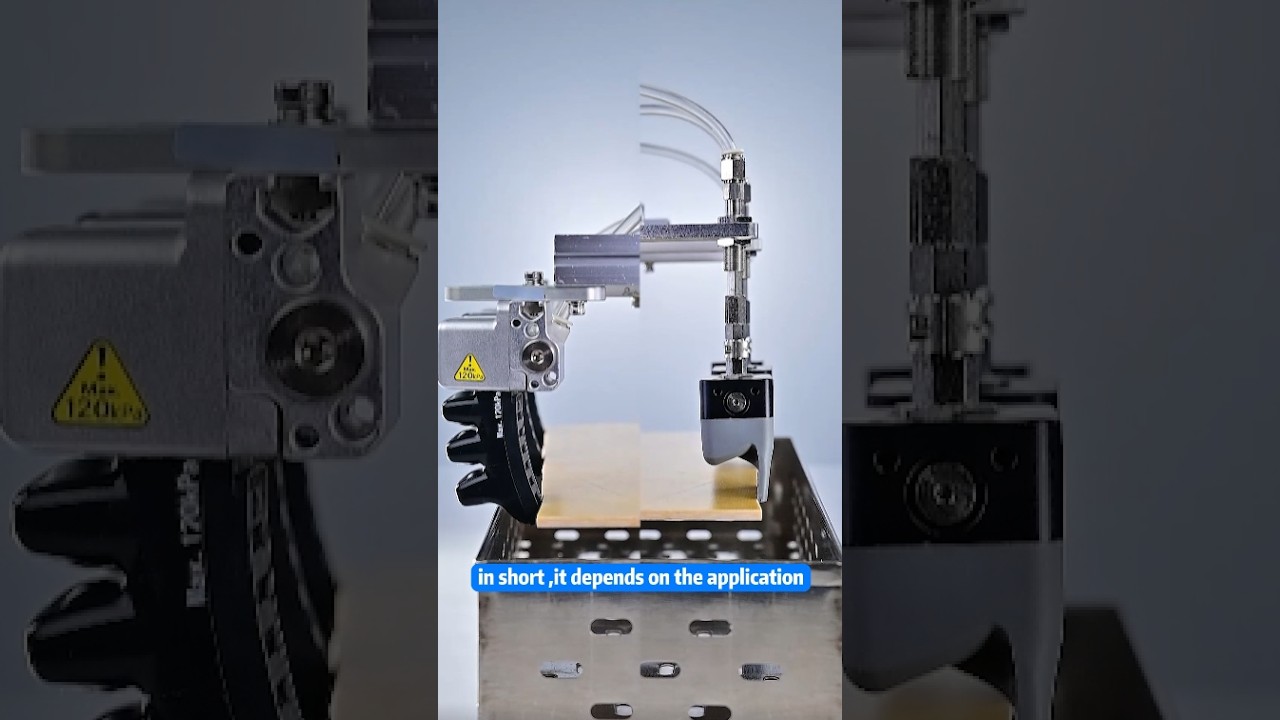
Picture a tray of parts packed close together, with only a narrow slot left between them — a slot narrower than the finger itself.Why does this defeat a soft finger? Picking starts with reaching. A soft finger grips by pressing its pad against both sides of a workpiece. When the gap is narrower than the finger, the finger can't slide in, can't touch the part — and if you can't reach it, you can't grip it.A soft gripper works around this limitation. Its compact profile lets the gripper body enter the slot directly, then expand, conform and lift inside tight clearance — turning "can't reach" into "gripped.".
3Case 2 — Zero-Gap Parts: Add the 3D Profiling Module
A narrow gap isn't the toughest case. Zero-gap is: parts nest almost flush against one another, with no room to insert even a sheet of paper.This is where a soft gripper with the 3D profiling module earns its keep. The module first senses the exposed outer contour of the part; the gripper then conforms to that profile and wraps around it, spreading force evenly across the surface. Instead of squeezing into the gap to clamp, it hugs the part's outer shape and lifts it out.That's the core difference between 3D profiling and ordinary soft contact: gripping isn't a matter of luck — the gripper follows the part's true geometry.
So look at how your parts are staged before you choose. The space your robot is given decides which gripper is right — not the product name.If your application involves narrow-slot extraction, flush-nested workpieces, or irregular part shapes, talk to ROCHU. Our application engineers will recommend the soft finger, soft gripper, or 3D profiling combination that best matches your actual parts and production layout.