Lösung für die interne Expansion weicher Roboter-Greifer zur Handhabung ölbeschichteter Metallzylinder: Behebung von Ölverschmutzungen, Rutschen und Oberflächenbeschädigungen in der Automatisierung
Ölbeschichtete Metallzylinder finden breite Anwendung in Branchen wie der Metallverarbeitung, der Präzisionsfertigung, der Automobilzulieferindustrie und der CNC-Bearbeitung . Nach der Bearbeitung weisen diese zylindrischen Metallteile häufig Reste von Schmieröl, Rostschutzöl oder Kühlschmierstoff auf. Dies stellt herkömmliche Roboterhandhabungssysteme vor Herausforderungen wie Greifinstabilität, Rutschen, ungenaue Positionierung, Oberflächenkratzer und Verschmutzung des Greifers . Für glatte, zylindrische und ölbeschichtete Metallkomponenten bietet ein weicher Robotergreifer mit interner Expansionsgreiftechnologie eine effektive Automatisierungslösung. Durch die Erzeugung von Stützkraft aus dem Inneren des Werkstücks ermöglicht der Greifer eine stabile Handhabung bei gleichzeitig reduziertem Kontakt mit der Außenfläche und minimiert so potenzielle Beschädigungen.
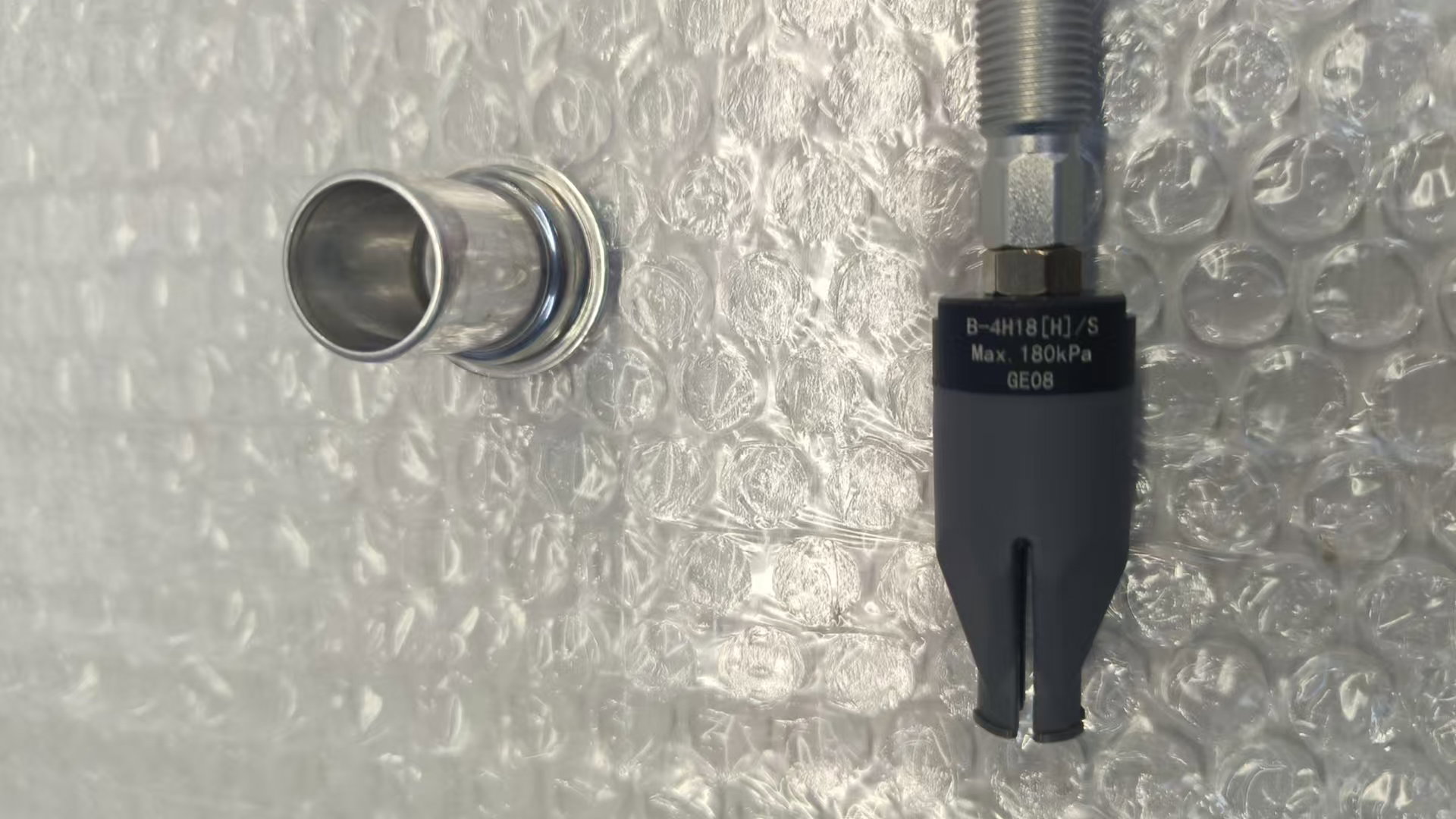
Herausforderungen bei der Automatisierung der Handhabung ölbeschichteter Metallzylinder
1. Ölverschmutzung verursacht instabile Griffigkeit
Nach der Bearbeitung weisen Metallzylinder üblicherweise Öl- oder Kühlschmierstoffrückstände auf ihren Oberflächen auf. Herkömmliche externe Spannmethoden basieren stark auf der Reibung zwischen Greifer und Werkstück, was zu folgenden Problemen führen kann:
- Verrutschen von Teilen während des Transfers;
- Instabiles Handling;
- Erhöhtes Sturzrisiko.
2. Starre Greifer können die Oberfläche beschädigen
Harte mechanische Greifer berühren direkt die Außenfläche des Metallzylinders. Zu hohe Greifkräfte können Folgendes verursachen:
- Oberflächenspuren;
- Kratzer;
- Qualitätsprobleme bei Präzisionsbauteilen.
3. Zylindrische Formen sind schwer zuverlässig zu positionieren.
Glatte zylindrische Teile verfügen oft nicht über geeignete äußere Greifflächen. Bei der automatisierten Handhabung können herkömmliche Greifer folgende Probleme aufweisen:
- Positionsabweichung;
- Teilrotation;
- Instabile Ausrichtung während des Transfers.
Dies kann sich auf nachgelagerte Prozesse wie Montage und Bearbeitung auswirken.
Warum sollte man sich für eine Lösung mit interner Expansion für weiche Robotergreifer entscheiden?
Bei glatten, ölbeschichteten zylindrischen Bauteilen liegt der Schlüssel zu einer zuverlässigen Automatisierung nicht einfach in der Erhöhung der Greifkraft, sondern in der Wahl einer geeign